

What is anaerobic digestion and how does it work?
In an era where sustainability and resource management are paramount, innovative solutions are emerging to transform our approach to waste. For agri-food businesses grappling with organic byproducts, farmers seeking sustainable practices, and local authorities striving for effective waste management, a powerful technology offers a compelling answer.
That compelling answer is anaerobic digestion or AD for short. But what is anaerobic digestion?
This natural process holds the key to turning waste streams into valuable renewable natural gas while reducing GHG emissions, aligning perfectly with Cycle0’s mission to deploy innovative end-to-end renewable gas solutions to meet worldwide environmental challenges.
What’s at the core of anaerobic digestion?
Anaerobic digestion is a natural biological process where microorganisms break down organic matter in the absence of oxygen. This efficient process unlocks the energy stored within “waste” materials, transforming them into a clean and renewable energy source.
How microbes break down waste
The power of anaerobic digestion lies in the diverse microorganisms, primarily bacteria and archaea, that thrive in oxygen-free environments.
These tiny powerhouses consume complex organic molecules, such as animal manure, and agricultural residues. They pass the organic matter through a series of biochemical reactions that convert them into biogas.
Why anaerobic conditions are key to creating biogas
The absence of oxygen is crucial for the specific types of microbes involved in anaerobic digestion. In aerobic (oxygen-rich) environments, different microorganisms dominate, leading to the production of carbon dioxide and water.
However, in the anaerobic environment, these specialized microbes produce biogas, primarily a mix of methane and carbon dioxide. This is the fundamental difference that makes anaerobic digestion a pathway to renewable energy.
How AD works step by step
The process of anaerobic digestion typically involves several key stages, each contributing to the overall transformation of waste into renewable energy.
Anaerobic digestion starts with the right feedstock
The journey of anaerobic digestion starts with the careful selection and preparation of organic feedstock. This can be food processing waste, agricultural residues, animal slurries, or even the organic fraction of municipal solid waste.
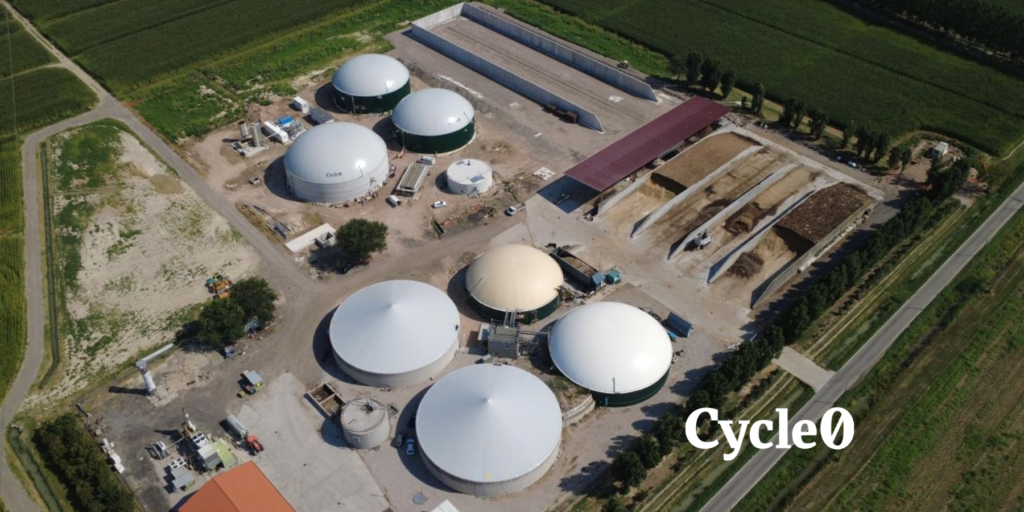
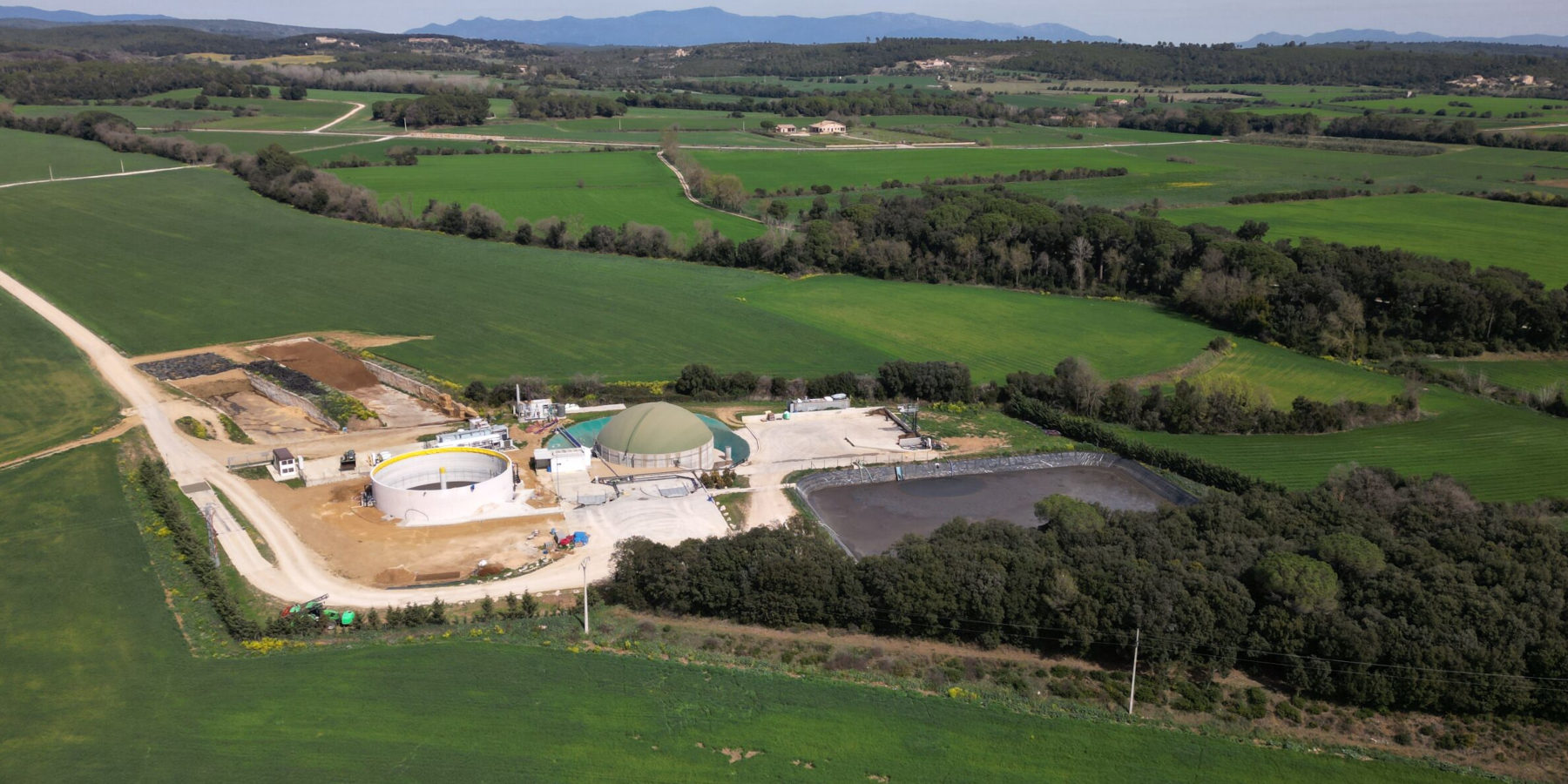
The feedstock passes into a sealed container called a digester, where the anaerobic environment is meticulously maintained.
Digesters are the heart of the system
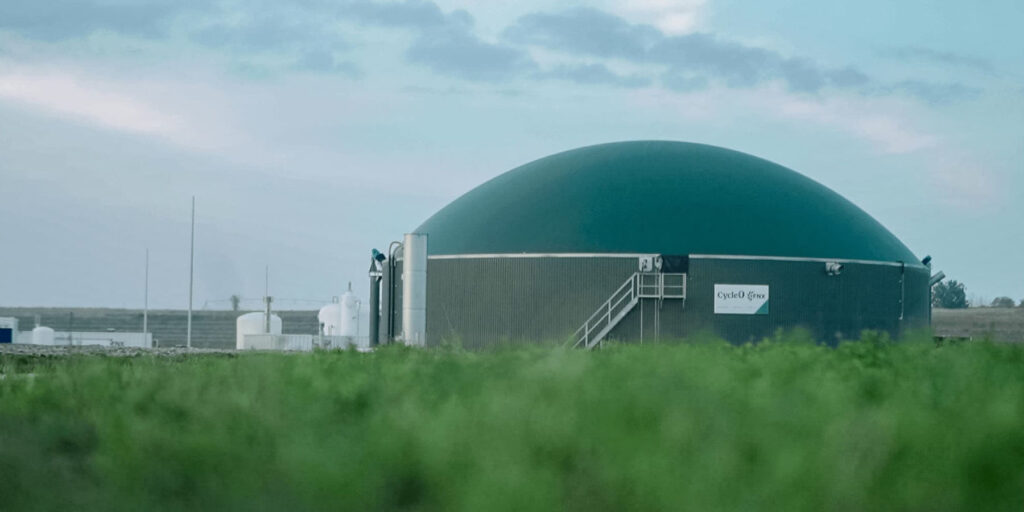
The digester is the central component where the anaerobic digestion process starts. These enclosed tanks are designed to control temperature, pH levels, and mixing to optimize the activity of the microbial community.
Different types of digesters exist, each suited to specific types of feedstock and operational requirements.
Creating biogas from waste
The primary output of anaerobic digestion is biogas. This valuable gas typically consists of 50-75% methane (CH₄) and 25-50% carbon dioxide (CO₂), with trace amounts of other gases.
The methane content is what makes biogas a potent renewable energy source. It can be used directly for heating or electricity generation through combined heat and power (CHP) units or upgraded to biomethane, which is a direct substitute for fossil natural gas.
We use proprietary upgrading technology to produce biomethane from biogas, which can be injected into the gas grid or liquefied to be used as a transportation fuel.
Digestate
Beyond biogas, anaerobic digestion also produces a nutrient-rich solid and liquid material called digestate. Far from being another waste product, digestate is a valuable biofertilizer.
It contains essential plant nutrients like nitrogen, phosphorus, and potassium, making it an excellent alternative to synthetic fertilizers. For agri-food businesses and farmers, this closed-loop system offers the potential to reduce reliance on chemicals and improve soil health.
Why AD matters for your farm
For agri-food businesses and farmers, understanding anaerobic digestion can unlock significant environmental and economic benefits.
Sustainable solution to reduce your carbon footprint
Agri-food production often generates substantial organic by-products. Implementing anaerobic digestion provides a sustainable pathway to manage this waste, significantly reducing landfill disposal and the associated greenhouse gas emissions.
By harnessing the power of anaerobic digestion, farm businesses can actively contribute to a more circular economy and demonstrate their commitment to environmental stewardship.
Lower, more stable costs
Instead of viewing organic by-products as a burden, anaerobic digestion transforms them into a valuable asset. Biogas production can help farmers lower costs and access locally produced organic fertiliser in the form of digestate, replacing the need for chemical fertiliser and its tendency for price volatility.
Embracing the circular economy for a greener future
Anaerobic digestion is a cornerstone of the circular economy, where resources are kept in use for as long as possible, extracting the maximum value from them.
By converting waste into energy and fertilizer, we minimize waste and maximize resource utilization.
Local authorities and waste processors benefit from AD
Local authorities and waste processors play a crucial role in managing municipal solid waste. Anaerobic digestion offers them a powerful tool to achieve ambitious sustainability goals.
Achieving ambitious recycling targets
Landfilling organic waste presents significant environmental challenges, including methane emissions and leachate contamination. Anaerobic digestion is a viable alternative, contributing significantly to recycling and waste diversion targets mandated by environmental regulations.
Generating clean energy from waste
The organic fraction of municipal solid waste represents a significant untapped energy resource. By implementing anaerobic digestion facilities to produce biogas, local authorities can generate clean, renewable energy, reducing their reliance on fossil fuels and contributing to decarbonisation targets and national energy security.
Contributing to a more sustainable community
Investing in anaerobic digestion infrastructure demonstrates a commitment to creating a more sustainable and resilient community. It reduces greenhouse gas emissions, creates green jobs, and promotes a circular economy approach to waste management.
Cycle0 your partner in renewable gas solutions
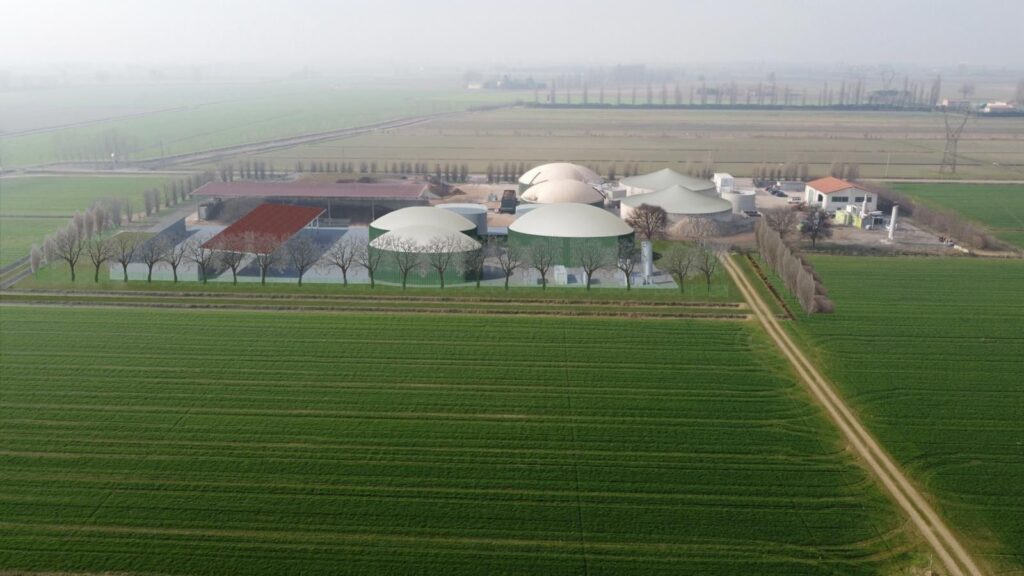
At Cycle0, we develop, own and operate biogas plants across Europe, working towards our mission to turn waste into renewable natural gas. We are a biogas plant developer that understands the intricacies of anaerobic digestion.
Contact us today to explore how we can partner to turn your waste into a valuable renewable energy resource and contribute to a greener future.