


Get in touch
Our LocationsHere to help
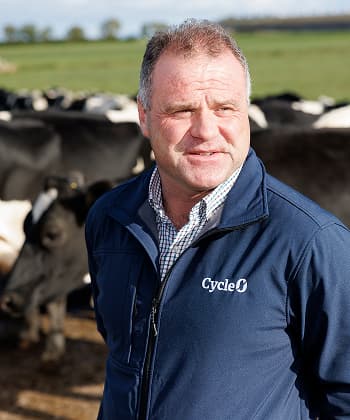

James Manley
Cycle0 Country Manager Ireland
Jaume Suriol
Cycle0 Country Manager Italy
Jordi Berengué
Cycle0 Country manager Spain
Adrià Belmonte
Head of Markets (Biomethane offtake contracts)
FAQs
Biogas is a renewable natural gas made by capturing naturally occurring emissions from organic waste using anaerobic digestion (AD). It is sustainable as it has a much lower (often negative) carbon intensity score than fossil fuels.
Anaerobic digestion is a process where microorganisms break down organic matter in the absence of oxygen. During this process, methane is captured and converted into a renewable natural gas, known as biogas, effectively mitigating its impact on the climate. Biogas can be used to generate electricity or upgraded to create biomethane.
Biomethane is made by producing biogas through anaerobic digestion, a process where microorganisms break down organic matter in the absence of oxygen. The resulting gas, known as biogas, is then upgraded, or purified to create biomethane.
Biomethane is produced by purifying, or upgrading, biogas. It is chemically identical to natural gas and can be injected directly into gas grids or liquefied for use by road or maritime transport.
Biogas production (using anaerobic digestion or AD) captures the naturally occurring emissions produced by organic waste, methane gas, also known as biogas. Methane has up to 80 times more warming power as a greenhouse gas than CO2, so removing it from the atmosphere delivers action against climate change. Thanks to backing from Ara Partners, we are fully funded and able to make any biomethane project a reality.
Using anaerobic digestion (or AD) to create biogas and converting it into biomethane delivers many benefits; providing a waste management solution for farmers who supply feedstock, creating employment in the rural economy, producing a nutrient-rich organic fertiliser and supporting the delivery of national and local carbon reduction, sustainability and energy independence targets.
