
For generations, industrial operations have largely followed a linear model: extract, manufacture, use, and dispose. Sadly, this approach has fueled a culture of disposability, leading to continuous demand for virgin resources, escalating greenhouse gas emissions, and widespread pollution.
Our current waste systems, characterized by landfills that leak potentially harmful substances and release potent methane, and incineration that contributes to air pollutants, are no longer sustainable.
The answer to these challenges lies in a fundamental shift towards a circular economy. This transformative framework sees all materials as valuable resources that can be reused.
This is where Anaerobic Digestion (AD) emerges as a pivotal technology, offering a powerful, integrated solution for industrial waste management, ESG (Environmental, Social, and Governance) target achievement, and decarbonization by transforming organic waste into valuable resources, embodying the very essence of the circular economy waste to energy principle.
Redefining industrial waste as a resource
Anaerobic digestion is a biochemical process that converts organic materials, which would otherwise be considered waste, into valuable resources. At its core, AD involves the breakdown of organic matter by microorganisms in the absence of oxygen.
By diverting organic waste from landfills and incineration, AD significantly reduces the environmental impact associated with conventional waste management. It mitigates the release of harmful leachate and, crucially, prevents the emission of methane.
Strategic advantages of AD for industrial operations
The AD process can use a diverse range of organic waste streams generated by industrial operations, transforming these liabilities into valuable assets. This redefines “waste” as a critical resource in the circular economy.
Furthermore, the concept of locating AD facilities directly at industrial sites offers profound strategic benefits for corporate off-takers and industrial suppliers:
- Reduced Logistics and Costs: On-site AD eliminates the need for costly and carbon-intensive transportation of organic waste to off-site disposal facilities.
- Direct Control and Oversight: Industrial operators gain direct control over their waste streams, enhancing operational efficiency and waste stream visibility.
- Immediate Resource Utilization: Outputs like biogas can provide a direct energy source.
- Enhanced Operational Efficiency: Streamlined waste management contributes to a more efficient and resilient overall operational footprint, solidifying the circular economy model.
Driving ESG performance and emission reduction
For industrial suppliers and corporate off-takers, integrating AD directly contributes to achieving ambitious ESG targets. By implementing AD, companies demonstrate a tangible commitment to environmental stewardship through waste reduction and methane abatement.
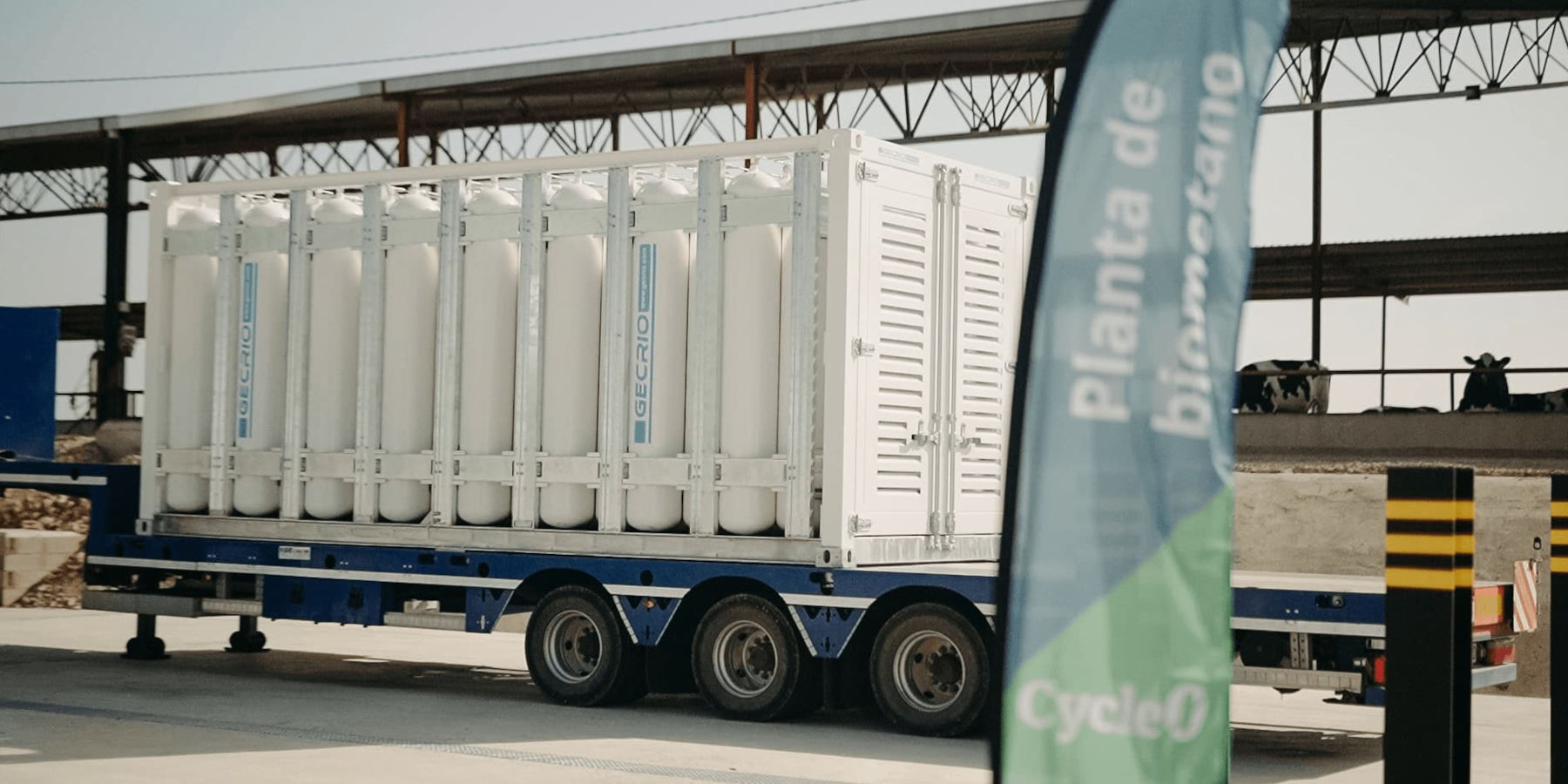
Crucially, AD is a powerful tool for generating renewable energy, including biogas or biomethane (Renewable Natural Gas – RNG).
Role of digestate
The process of anaerobic digestion doesn’t end with biogas. The remaining material after digestion is a nutrient-rich substance called digestate, which is a powerful resource in its own right.
This co-product, a semi-solid or liquid substance, is an excellent organic fertilizer, teeming with valuable nutrients like nitrogen, phosphorus, and potassium.
By returning these nutrients to the soil, digestate displaces the need for synthetic, energy-intensive chemical fertilizers, which are typically derived from fossil fuels. This closes the loop in the industrial food and agriculture cycle, significantly reducing the carbon footprint of food production and further embodying the principles of the circular economy.
The use of digestate improves soil health, enhances water retention, and reduces the risk of nutrient runoff, creating a more sustainable and resilient agricultural system.
Creating a more circular economy
Anaerobic Digestion is far more than just a waste treatment method; it is a critical enabler of the circular economy and a strategic asset for industrial players.
It offers a holistic solution for industrial sustainability by:
- Providing a sustainable and efficient waste management solution for diverse organic feedstocks.
- Enabling significant progress towards corporate ESG targets.
- Delivering tangible Scope 2 emission reductions through the generation of renewable natural gas, exemplifying circular economy waste to energy success.
- Enhancing resource efficiency by transforming waste into valuable energy and nutrients.
- Offering opportunities for advanced circular solutions, such as the integration of e-methane production.
By embracing AD, industrial suppliers and corporate off-takers can decouple economic growth from finite resources, reduce their environmental footprint, foster innovation, and build a more resilient, self-sufficient, and sustainable future.

Cycle0 your partner in renewable gas solutions
At Cycle0, we develop, own and operate biogas plants across Europe, working towards our mission to turn waste into renewable natural gas. We are a biogas plant developer that understands the intricacies of anaerobic digestion.
Contact us today to explore how we can partner to turn your waste into a valuable renewable energy resource and contribute to a greener future.