

How do farmers and their communities benefit from biogas?
As the world grapples with escalating climate concerns, exemplified by 2024 likely being the warmest year on record, the agricultural sector stands at a crucial intersection of challenge and opportunity.
Farmers, vital to global food security, are increasingly seeking sustainable solutions to manage waste, reduce greenhouse gas (GHG) emissions, and strengthen their economic resilience.
One powerful answer lies in biogas and anaerobic digestion (AD) technology, offering a multifaceted approach that benefits not only individual farms but entire rural communities.
Turning a waste problem into a resource
For farmers, managing organic by-products, particularly animal manure and slurry, has historically been a significant challenge. Slurry accumulation can be an expensive problem, demanding extensive storage infrastructure or the costly leasing of additional land e.g. to comply with nitrate derogation regulations for farmers in Ireland.
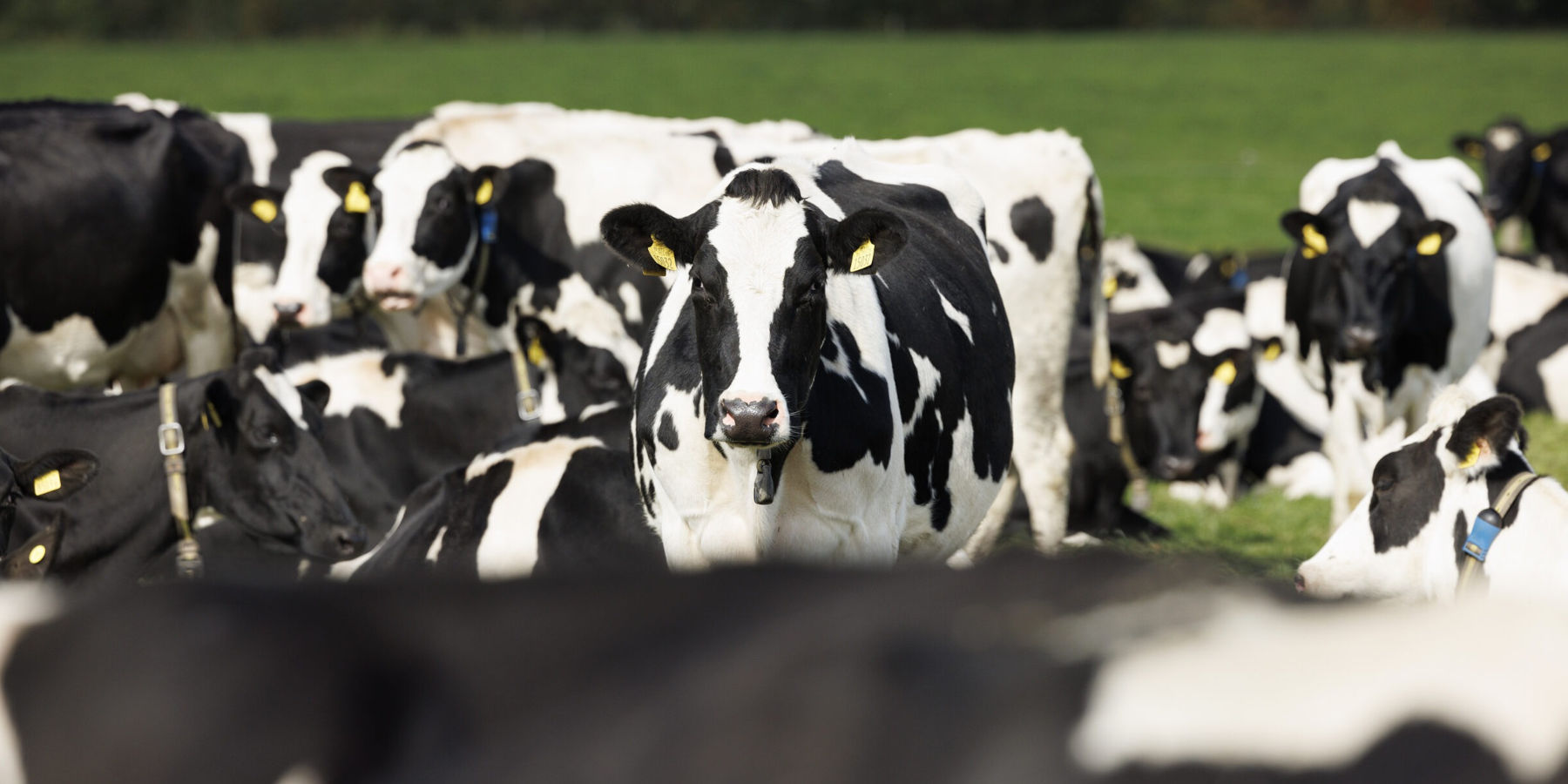
For example, a typical dairy herd of 100 cows produces 3,300 kg of slurry weekly.
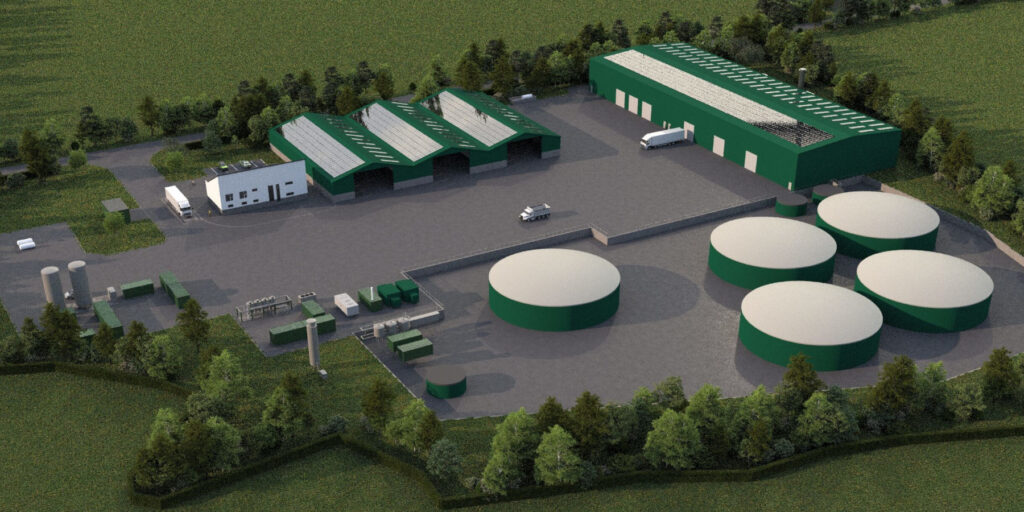
Anaerobic digestion plants offer a sustainable and economically viable solution. By supplying feedstock like slurry and manure to AD facilities, farmers gain a long-term, stable waste management strategy, transforming what was once a burden into a valuable resource.
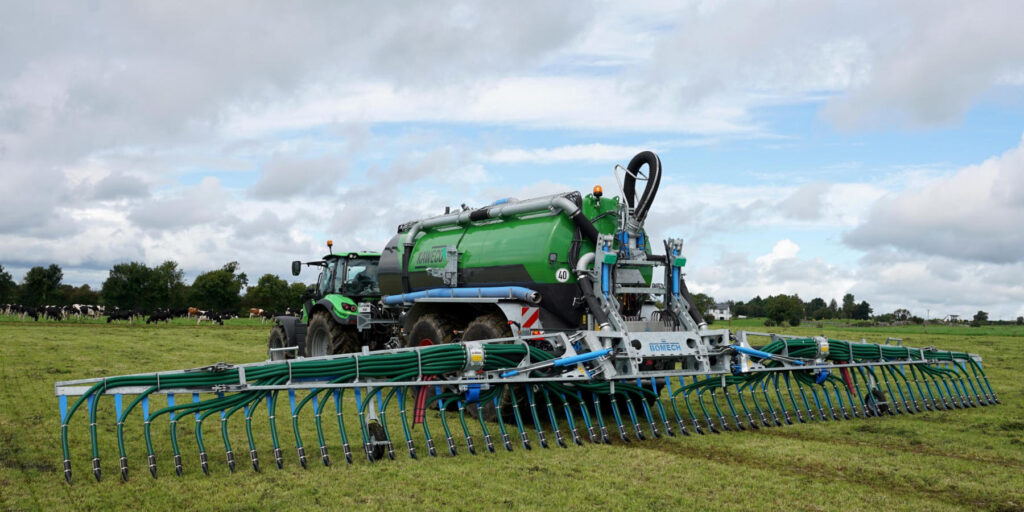
Instead of a “take, make, and dispose” model, AD enables the continual use of resources, returning valuable nutrients to the soil in the form of digestate, a nutrient-rich liquid by-product of the process. This approach minimizes waste, maximizes resource utilization, and helps farmers comply with waste management regulations.
Sustainable path to reducing greenhouse gas emissions
The agricultural sector is a significant contributor to global GHG emissions, with methane from farm waste being a particularly potent greenhouse gas. Using AD to capture biogas and converting it into biomethane is a game-changer for decarbonizing farm operations, as supplying slurry to a biogas plant can significantly reduce farm GHG emissions.
The use of digestate as an organic fertilizer provides another crucial pathway to emission reduction. The manufacturing of synthetic chemical fertilizers is an energy-intensive process, emitting the equivalent of 2.6 gigatonnes of carbon annually, more than the global aviation and shipping industries combined!
By replacing carbon-intensive synthetic fertilizers with locally produced digestate, farmers can significantly reduce their carbon footprint. Replacing approximately 1 tonne of synthetic fertilizer with digestate can prevent the equivalent of 5.8 tonnes of carbon dioxide from entering the atmosphere, a substantial contribution to national and EU-wide climate goals.
Moreover, digestate improves soil structure and increases its capacity to store carbon, effectively turning the soil into a carbon sink. This long-term carbon storage capacity is vital for achieving net-zero targets and makes biomethane a carbon-neutral or even carbon-negative fuel source.
Creating employment in the rural economy
The benefits of biogas extend beyond environmental and on-farm operational efficiencies to invigorate the rural economy. The development and operation of anaerobic digestion plants creates new, long-term, sustainable employment opportunities within farming communities.
During the construction phase of a biogas plant, numerous jobs are generated, from engineering and construction roles to local support services. Once operational, these plants require a workforce for day-to-day management, maintenance, and feedstock logistics, leading to the creation of green jobs that contribute to the local economy.
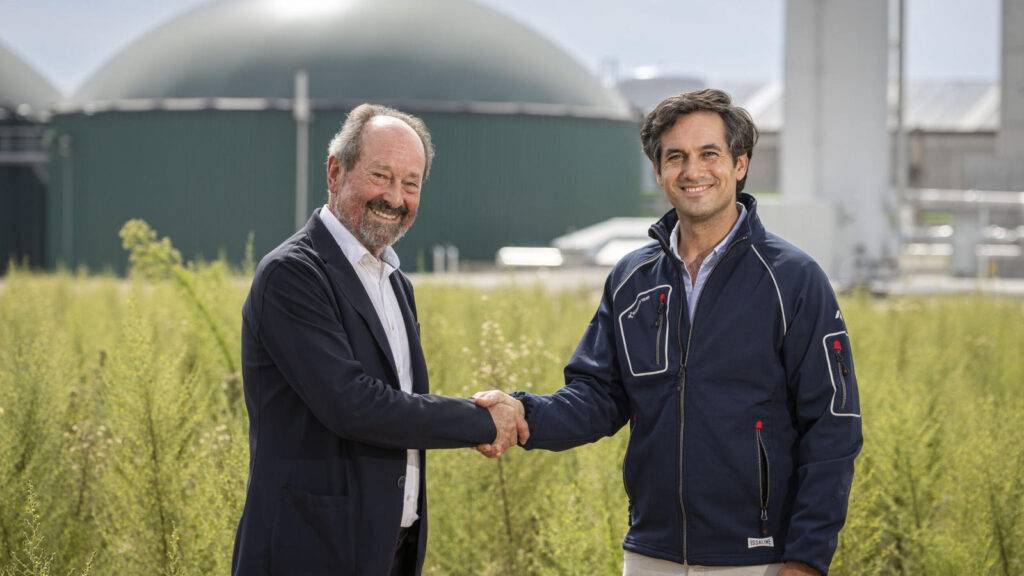
For farmers, partnering with an AD developer can also have long-term positive financial benefits. Beyond the potential for selling or leasing land for plant sites, farmers can enter into long-term supply agreements for their slurry, providing a stable and predictable solution to waste and nitrates management.
The local production and availability of digestate as a low-cost, nutrient-rich fertilizer also reduces reliance on volatile global markets for synthetic fertilizers. This localized supply chain enhances the economic stability of farming operations, insulating them from price fluctuations and supply chain disruptions.
Power of digestate in the circular economy
Digestate, the by-product of the AD process, stands out as a “super organic fertilizer” compared to its synthetic counterparts. While synthetic chemical fertilizers initially boost crop productivity, their continuous use can degrade soil quality over time, leading to hardened soil, reduced fertility, and weakened microbial activity.
By using digestate, you’re adding a more balanced nutrient profile, supporting healthy crop growth and improving soil health. It is rich in essential nutrients like nitrogen, phosphorus, and potassium.
By using digestate, farmers can significantly reduce their reliance on costly synthetic fertilizers, leading to substantial savings on input costs. This not only benefits their bottom line but also contributes to regulatory compliance regarding nitrate pollution.
Farmers demonstrating sustainable practices through digestate use can avoid potential penalties and may qualify for incentives, enhancing their image within the local community.
How biogas benefits farmers and their communities
The integration of biogas production through anaerobic digestion offers a holistic approach to sustainable agriculture. It empowers farmers to effectively manage waste, significantly reducing their environmental footprint by mitigating GHG emissions.
New, long-term green job opportunities are created that foster thriving rural communities. The shift towards biogas and digestate represents a pivotal step in securing a more sustainable and prosperous future for agriculture.
Cycle0 your partner in renewable gas solutions
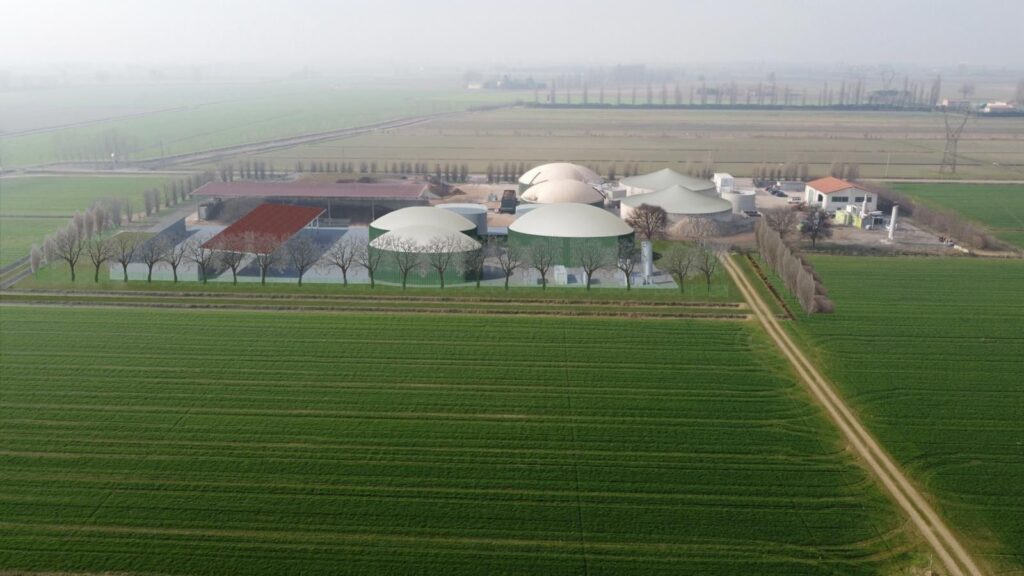
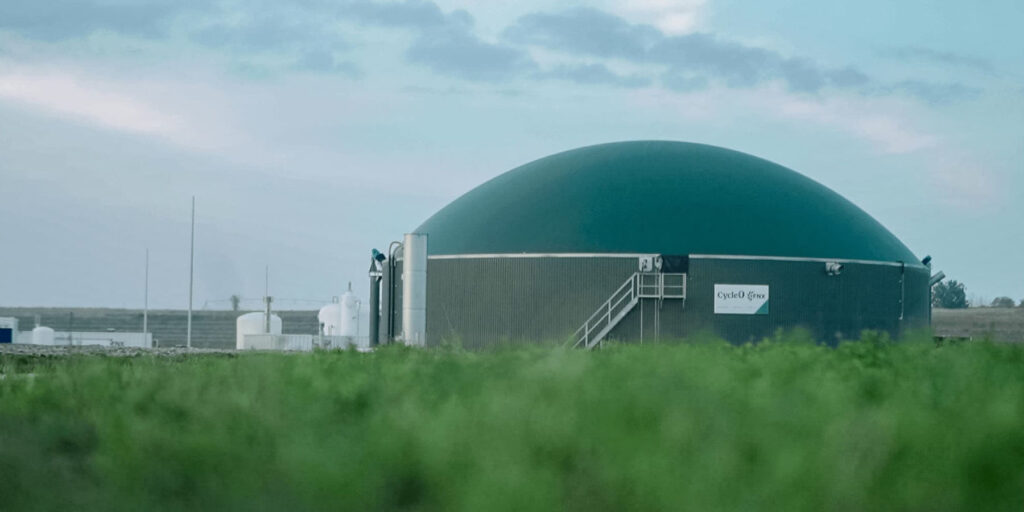
At Cycle0, we develop, own and operate biogas plants across Europe, working towards our mission to turn waste into renewable natural gas. We are a biogas plant developer that understands the intricacies of anaerobic digestion.
Contact us today to explore how we can partner to turn your waste into a valuable renewable energy resource and contribute to a greener future.