

Delivering
change
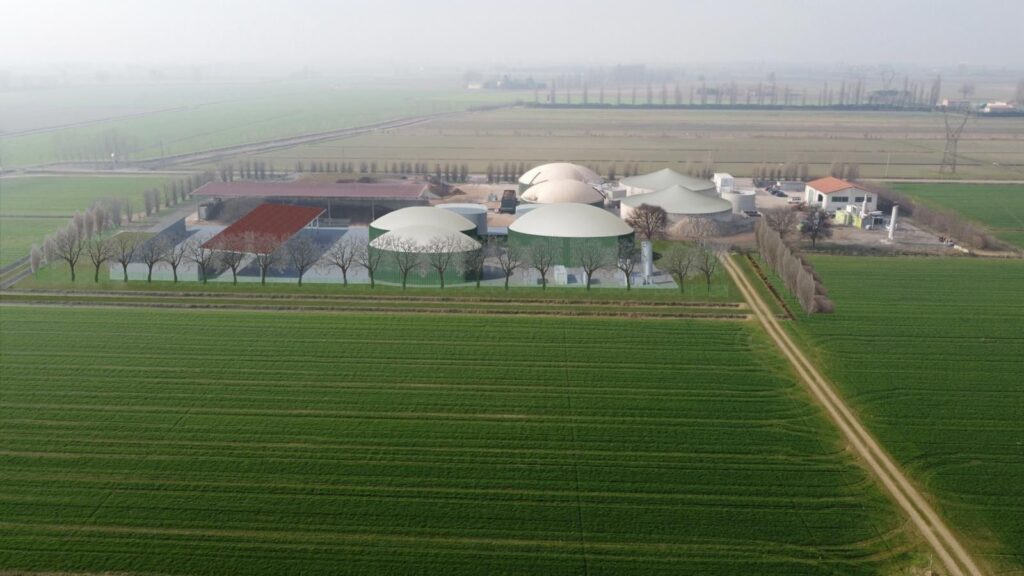
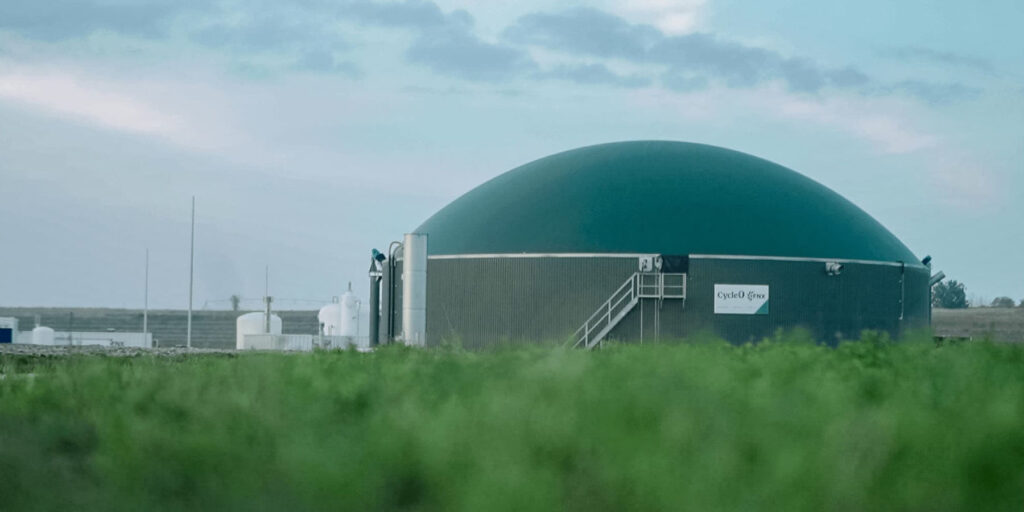
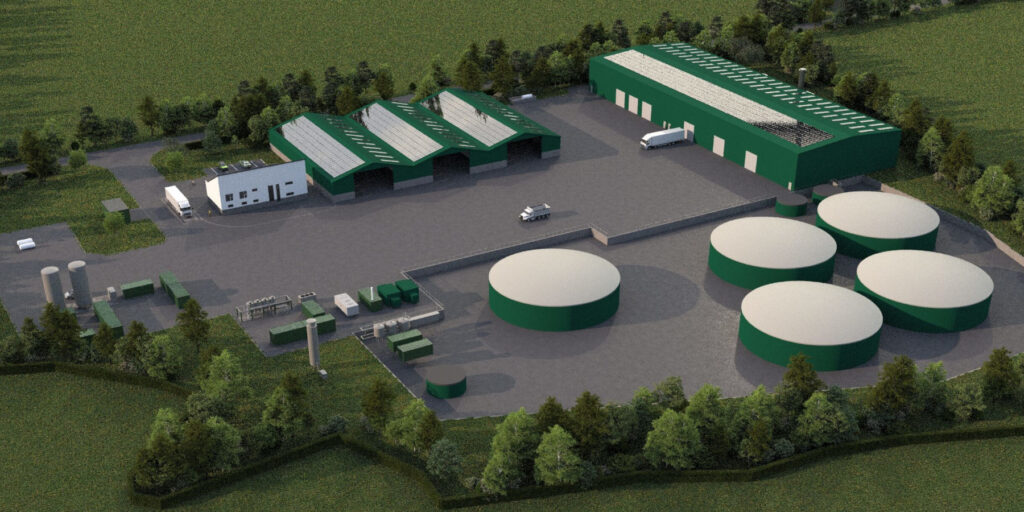
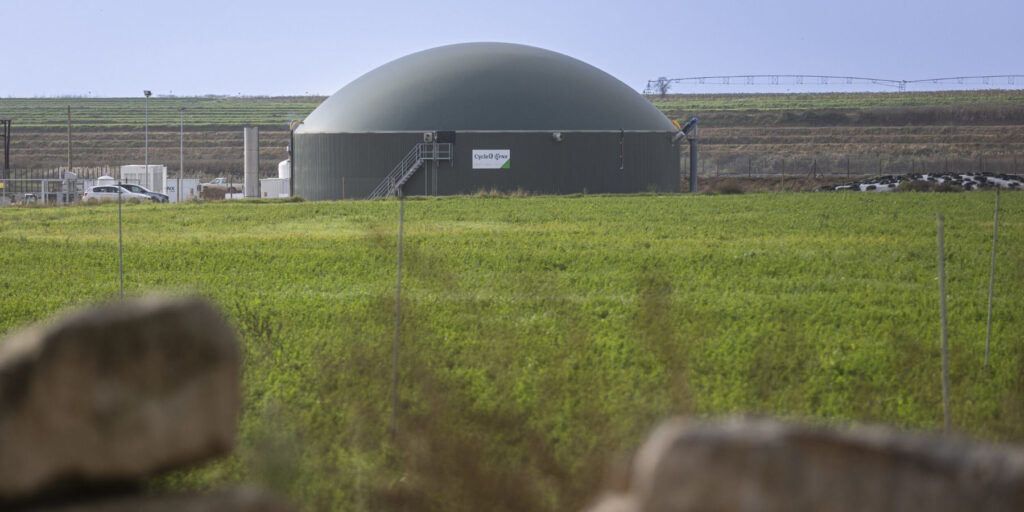
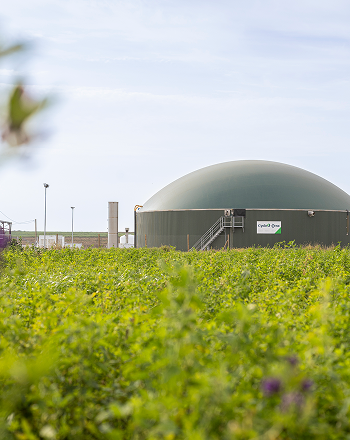
We build, own and operate biogas plants to produce biomethane across Europe.
Delivering sustainable development
Anaerobic digestion captures naturally occurring methane emissions known as biogas, using anaerobic digestion (AD).
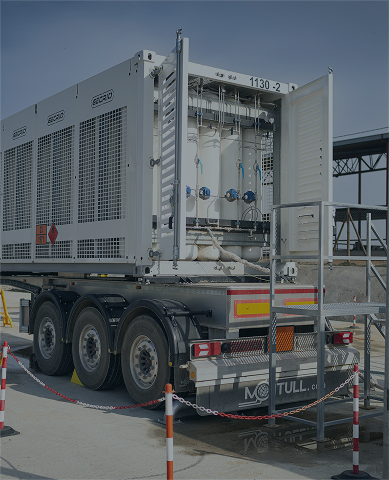
Biogas can be upgraded for grid injection or liquefied to make fuel for road or maritime transport.
It’s in our DNA
Sustainability drives all that we do. Our end-to-end approach to biomethane production empowers hard-to-abate sectors to reduce emissions, creates green jobs and decarbonises the gas grid and transport sector.
- 01 Climate action
- 02 Affordable and clean energy
- 03 Zero hunger & Clean water and sanitation
- 04 Life on land

 SDG 13
Climate action
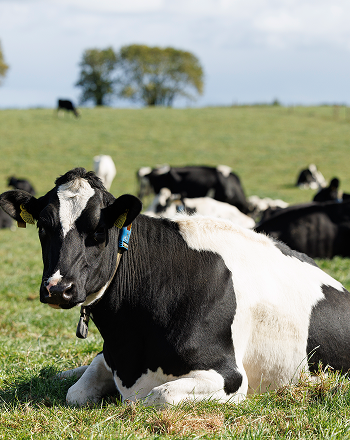
By capturing naturally occurring methane, a greenhouse gas that has 80 x the global warming power of CO2, we’re tackling waste and creating a sustainable fuel source.
 SDG 7
SDG 7
Affordable and clean energy
Our renewable gas production supports the delivery of national biomethane targets, tackling waste and managing nitrates.
 SDG 2, 6
Zero hunger & Clean water and sanitation
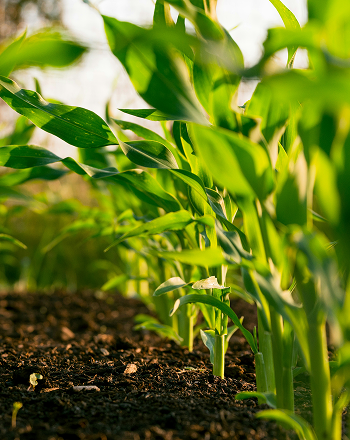
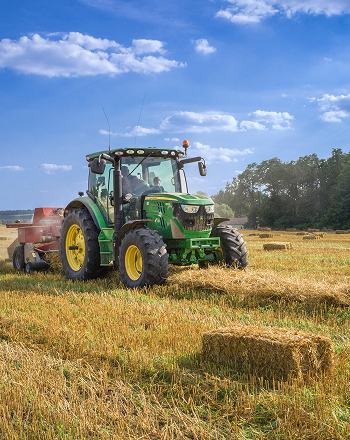
The anaerobic digestion (AD) process creates digestate, an organic fertiliser that supports soil health, supporting crop growth and protecting rivers and lakes from artificial fertilizer run-off.
 SDG 15
Life on land
AD plants generate employment in rural communities, and support farmers by offering an extra income stream for land sale, lease and feedstock provision.
Memberships and accreditations
We are proud and active members of many leading bioenergy associations.








Reducing carbon emissions today
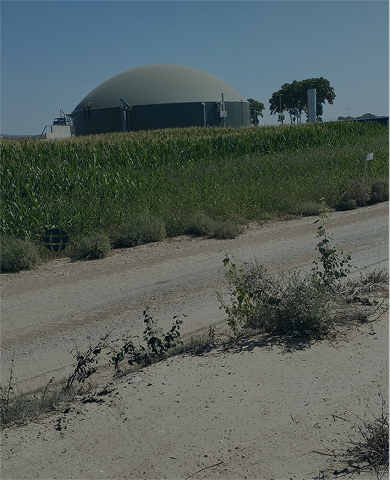
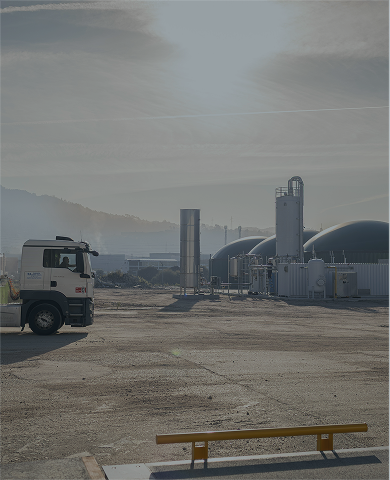
The operation of our small to medium sized biomethane plants is delivering climate action today. By turning waste into renewable natural gas, our operations are having a measurable impact on the reduction of carbon emissions.

Yearly Tonnes of CO2 avoided

TWh equivalent of renewable gas produced

Number of European homes’ annual gas needs met
Maximum total over plant lifetime. 2026 data.
Our key policies
We are a responsible business and employer. Our policies are designed to ensure we operate under best practice in all that we do, wherever we are working.

Governance
Our sites are professionally managed, and the facilities must meet strict safety standards. Modern plants incorporate numerous design and operational safety features to mitigate risks, so well-managed and maintained plants represent a low safety risk. Advanced monitoring systems, proper ventilation, explosion-proof equipment, and robust emergency procedures are essential to ensuring the safe operation of biogas plants (please see the list below), and regular training and adherence to safety standards further enhance safety.
Design Safety Features
Gas-tight Digesters: Biogas digesters are built to be airtight, ensuring that gases produced during anaerobic digestion (such as methane, carbon dioxide, and hydrogen sulphide) are contained. Proper sealing prevents gas leakage, which is a critical factor in reducing the risk of explosions.
Pressure Relief Valves: These are installed to release excess pressure that could build up inside the digester or gas storage systems. Controlled pressure management prevents over-pressurisation.
Gas Detection and Monitoring Systems: Continuous monitoring systems are used to detect gas leaks, particularly methane and hydrogen sulphide.
Gas Flaring: Excess gas can be safely burned off through flaring systems. In case of excess production or malfunction in storage, methane can be flared rather than allowed to build up.
Explosion-Proof Electrical Equipment: All electrical systems and machinery in hazardous areas are explosion-proof or ATEX rated. This means they are designed to prevent sparks that could ignite gas mixtures. This includes motors, switches, and lighting fixtures.
Electrical Grounding: All metal parts of the plant are grounded to prevent static electricity from accumulating.
Lightning Protection: Biogas plants are equipped with lightning protection systems to prevent lightning strikes from igniting methane. These systems direct lightning currents safely into the ground.
Leak Inspections: Regular maintenance and leak inspections of the plant’s infrastructure are performed to detect and repair any gas leaks before they become hazardous.
We do not process food waste at our plants. Anaerobic digesters process organic materials in the absence of oxygen to produce biogas and digestate. Our biogas plants are agri-centric and although feedstocks for an anaerobic digester can vary, the common ones from agricultural by-products and residues include:
Animal Manure: Such as from cows, pigs, or poultry. It’s a rich source of organic matter and nutrients.
Agricultural Residues: Such as crop residues, silage, or other plant-based materials left over from farming.
Crops: Crops specifically grown for biogas production, such as maize or grass.
During the planning application through our Environmental Impact Assessment Report, we will assess all the receptors in a locality concerning wildlife, rural and scenic areas of beauty, biodiversity and ecosystems in the locality.
All of our plants will be screened to blend into the natural surroundings of an area. Environmental protection practices will be utilised at all stages to preserve local ecosystems and biodiversity.
There are no major public health risks associated with the facilities. The material process is organic in nature and all operations are handled by strict public health and safety standards.
No. We use odour control technology to significantly reduce odours and store our feedstock under negative pressure. Using digestate on fields in place of slurry provides water and air quality environmental benefits as it decreases the potential for organic pollution and also reduces odours from slurry spreading as the concentration of odour in the air is significantly lower when digestate is applied on the fields.