


Cycle0 and Solmeyea Biotech deliver a world-first in CO2 use for food production
25th June 2026, London and Athens
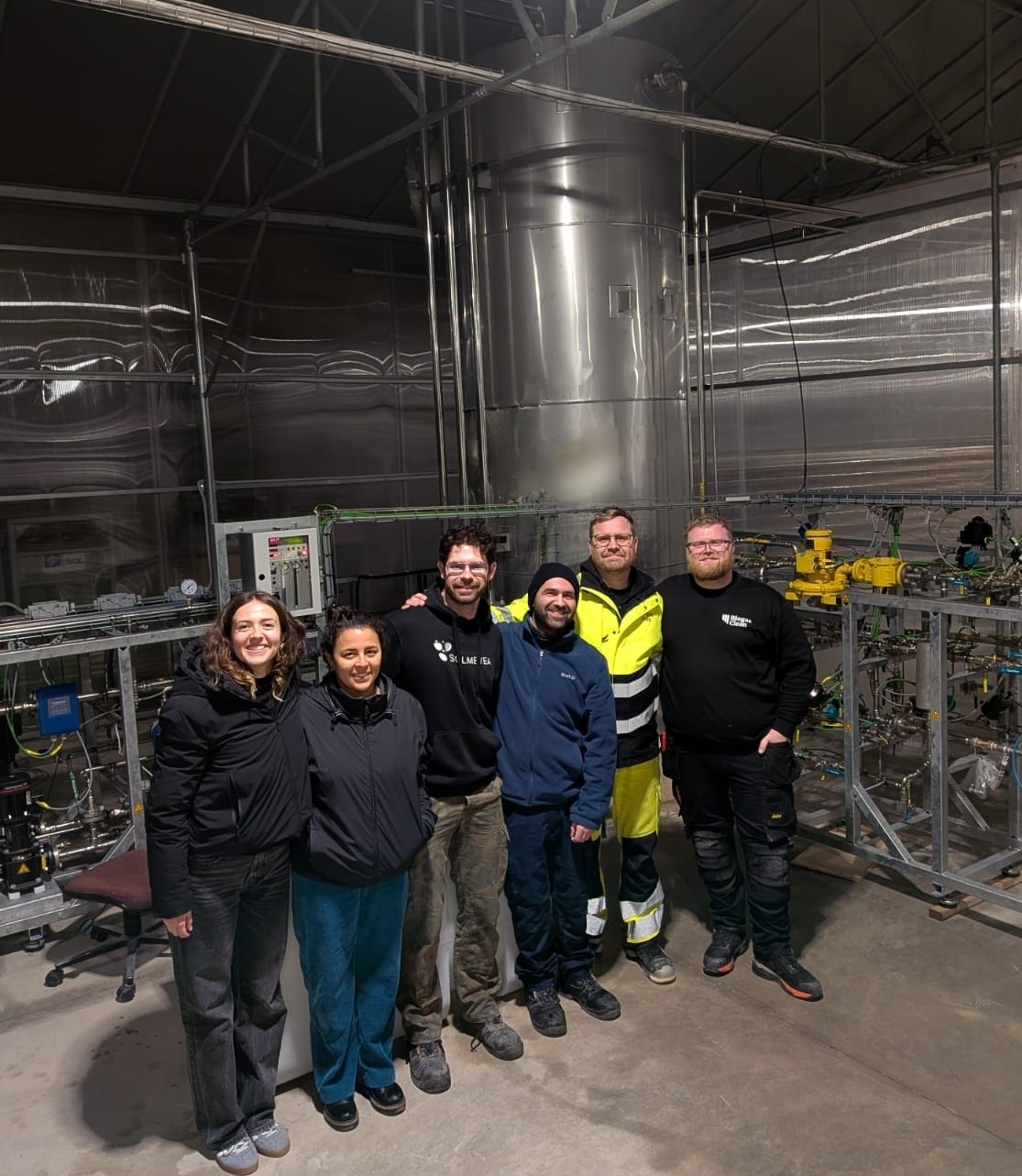
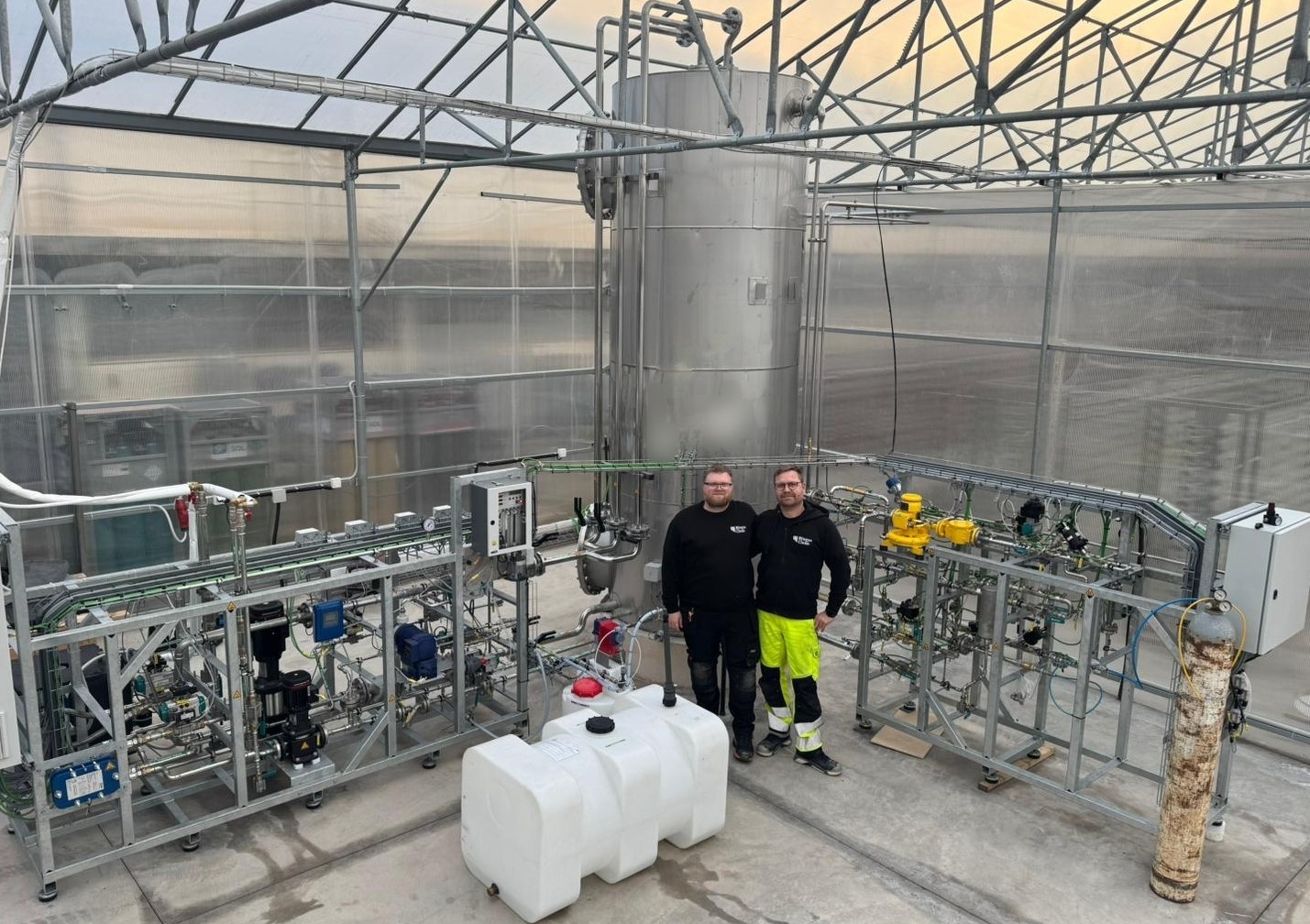
Today, Cycle0, a leading developer of biomethane plants in Europe, and Solmeyea Biotech, a deep-tech start-up producing carbon-negative food protein at scale for the first time, announced the successful launch of a pilot unit that uses their combined technologies to create high-value protein from waste CO₂ through biological transformation. The project has long-term implications for food security and CO2 reduction, bringing substantial positive benefits to the environment, and creating new green jobs.
Installed in Greece, the pilot combines proprietary technologies from Cycle0 and Solmeyea Biotech with the aim of converting 100 tonnes of waste CO2 from industrial processes to 15 tonnes of food proteins each year.
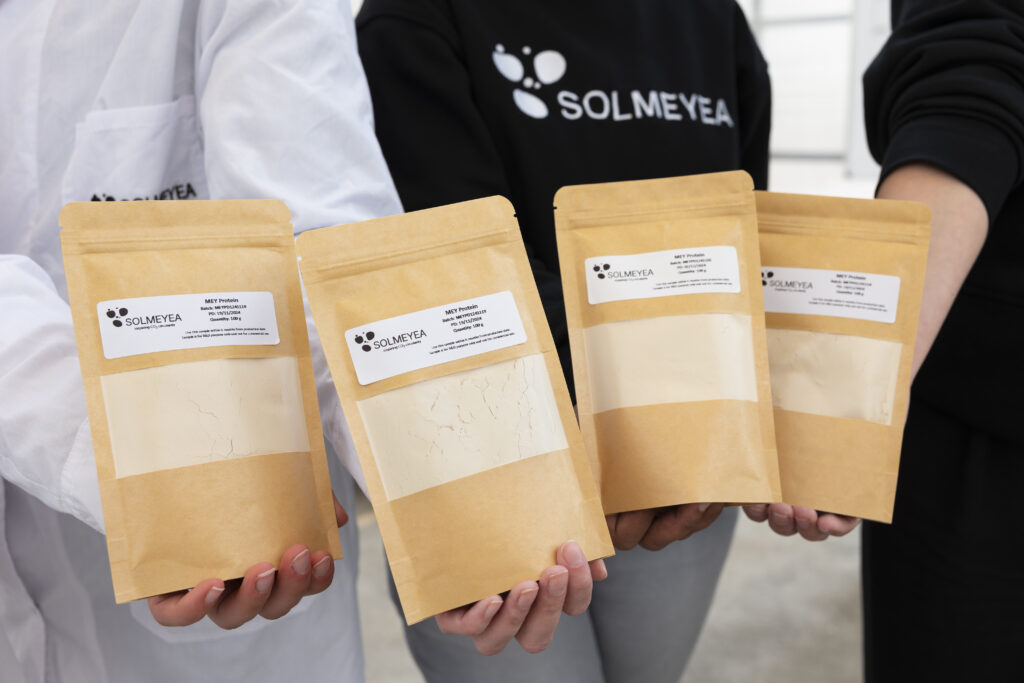
The process uses algae to produce a high-value food protein, known as MEY™️, with this pilot representing the first step in a plan to produce up to 160,000 tonnes of food proteins per year by 2033, to be achieved through the construction of the world’s first carbon-negative food factory and the creation of a carbon-negative food chain.
This innovation would remove up to 500,000 tonnes of CO2 per year from the atmosphere, transforming CO2 generated from industrial processes, which would otherwise need to be captured and stored, and creating around 11,000 new direct and indirect jobs in Greece.
The growth of Solmeyea Biotech is supported by several EU innovation bodies, including Circular Bio-based Europe Joint Undertaking, EIT Food, ESA (European Space Agency) and the European Innovation Council, which have so far provided more than €7.0M in development grants.
“Using our proprietary bio trickling reactor to support food production innovation is an exciting new application of our established biogenic CO2 treatment technology.” – Laurence Molke, CEO of Cycle0
Speaking about the pilot, Solmeyea Biotech Founder and CEO Vasilis Stenos said, “Today marks a deeply meaningful milestone for Solmeyea and for the future of carbon utilization in food production. What we have successfully demonstrated together with Cycle0 is that CO₂ should not be viewed as a waste stream to be captured and stored, but also as a valuable feedstock that can be biologically transformed into nutritious, high-value and carbon-negative food ingredients.
Stenos added “For Solmeyea, this pilot is the first tangible step toward building a new kind of industrial food chain, one that is decoupled from agricultural land, freshwater scarcity and climate instability, while directly supporting food security, industrial decarbonization and European bioeconomic resilience. The success of the pilot has been made possible by finding the right partner in Cycle0 and its Biogasclean technology, which brought the required technical sophistication and multidisciplinary collaboration for project success.”
Laurence Molke, CEO of Cycle0 said “Using our proprietary bio trickling reactor to support food production innovation is an exciting new application of our established biogenic CO2 treatment technology. This pilot proves the scalability of innovative protein production and offers a meaningful way to support future food security.”
About Solmeyea
Solmeyea is a Greek deep-tech biotechnology company developing carbon utilization technologies for the production of sustainable, high-value ingredients. Based at the NCSR Demokritos Campus in Athens, Solmeyea uses proprietary fermentation and bioprocessing technology to transform captured CO₂ into non-GMO, carbon-negative microalgae-based proteins and functional ingredients for food, nutrition, cosmetics, pharma and future biobased applications.
Together with its team of brilliant scientists and engineers from 10 different countries, Solmeyea is building a new model for industrial biotechnology that connects CO₂-emitting industries with sustainable ingredient production. Supported by the European Innovation Council, the Circular Bio-based Europe Joint Undertaking, EIT Food, the European Space Agency and other European innovation bodies, the company’s mission is to contribute to food security, industrial decarbonisation and the development of a circular, carbon-negative bioeconomy.
For more information about Solmeyea, please visit www.solmeyea.com
