

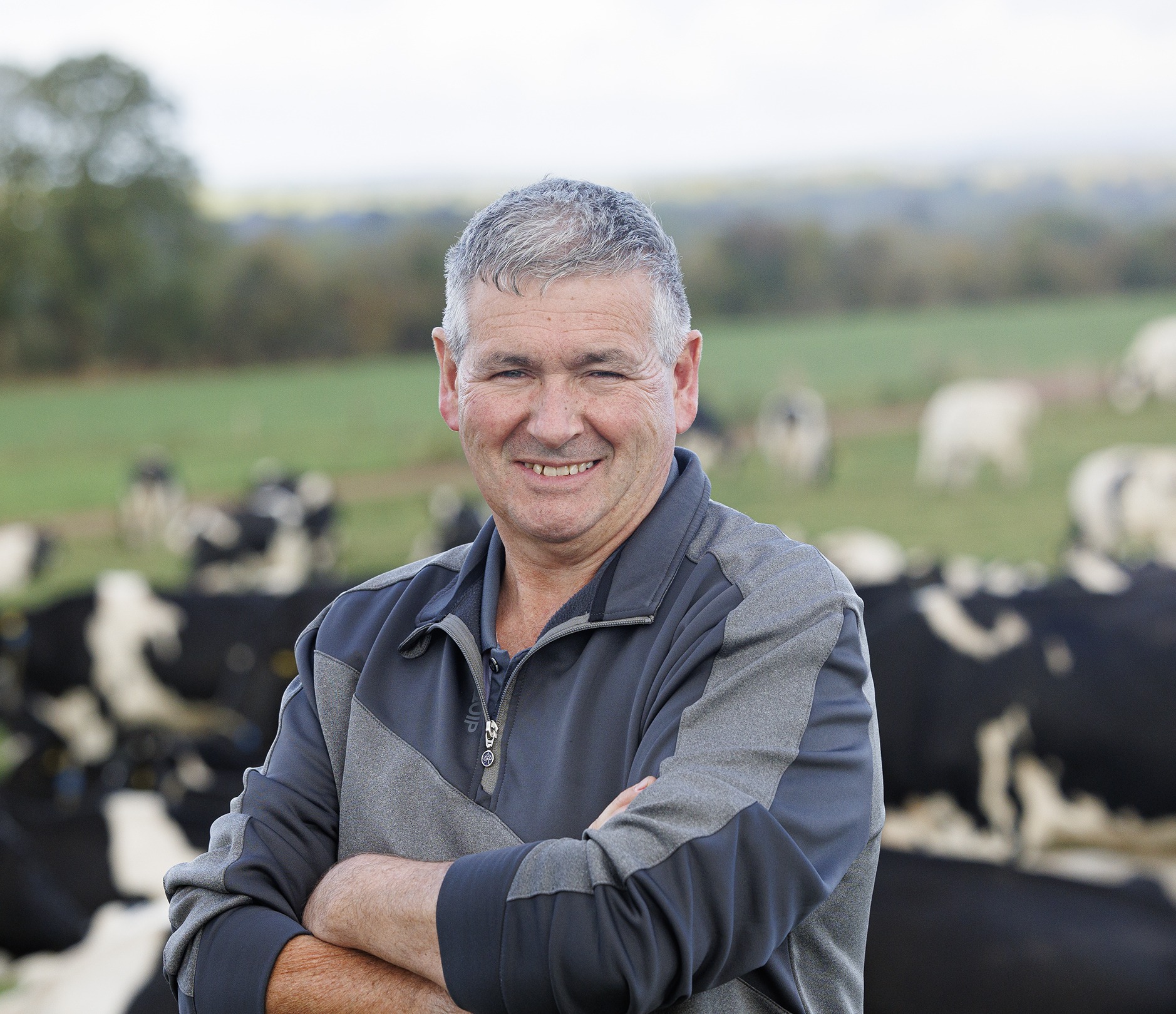
Meet environmental obligations to store or spread slurry
Case Study
Turn slurry into an opportunity
-
Permitting
-
Agri-Centric

-
Ireland

capacity
40 GWh / year of biomethane per plant
operation date
2028
feedstock
Cow and pig slurry and manure
Impact
12,000 tonnes of CO2 avoided annually
additional details
Addition to an existing environmental system
Using agri by-products to produce renewable natural gas offers a wide range of benefits to farmers and their communities.
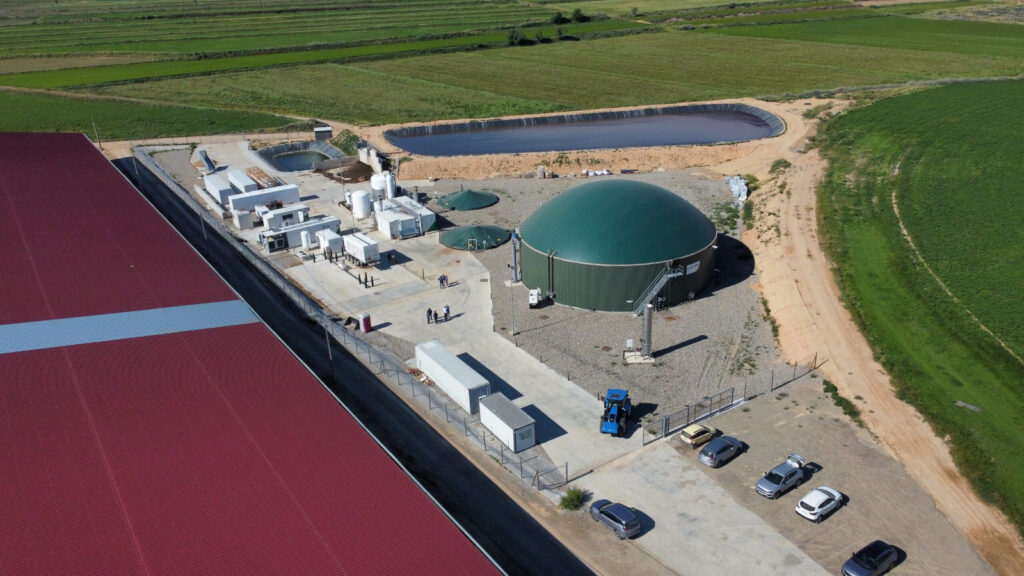
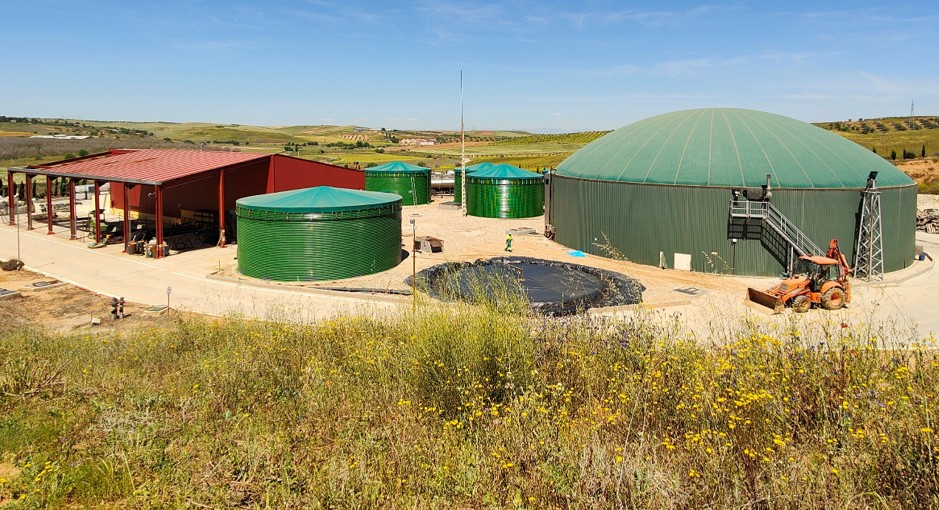
Using manure, slurry and crop waste as feedstocks to produce biogas delivers a waste management solution, reduces greenhouse gas emissions and creates a nutrient-rich organic fertiliser, digestate, that supports soil health.
How a biogas plant supports farming
Managing agri by-products such as slurry and manure can be a challenging issue for many farmers. Providing additional storage to meet environmental regulations can be expensive.
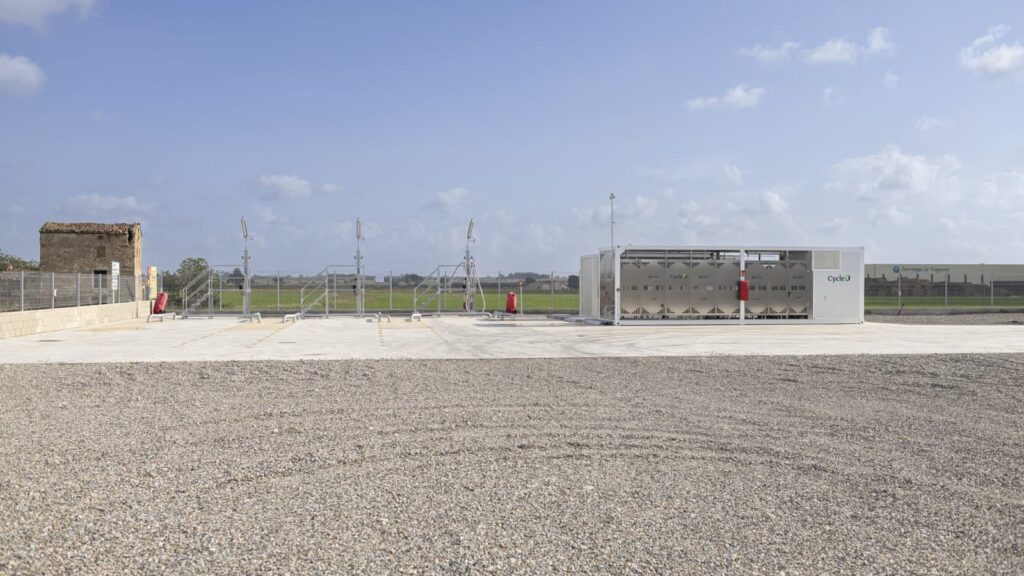
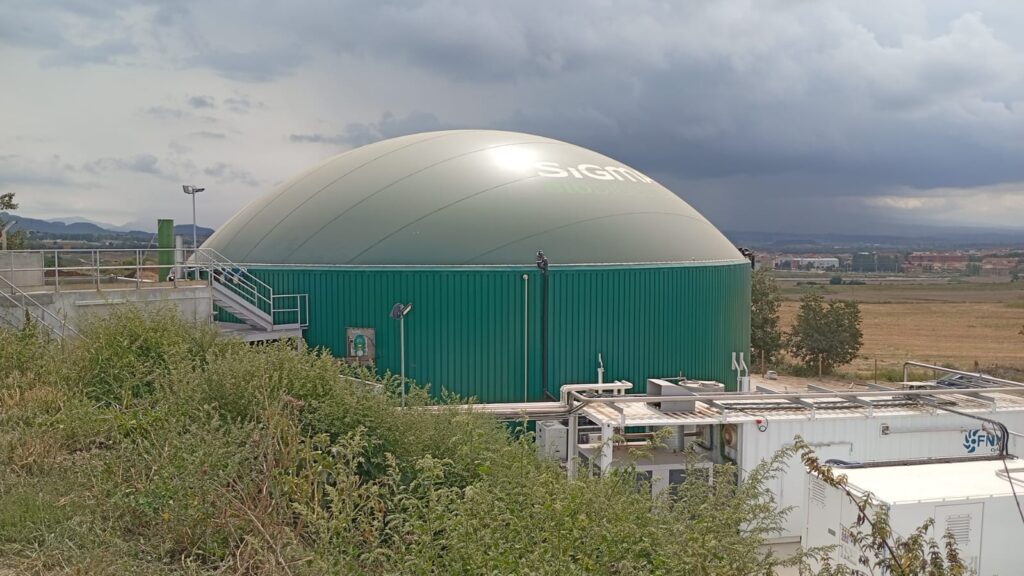
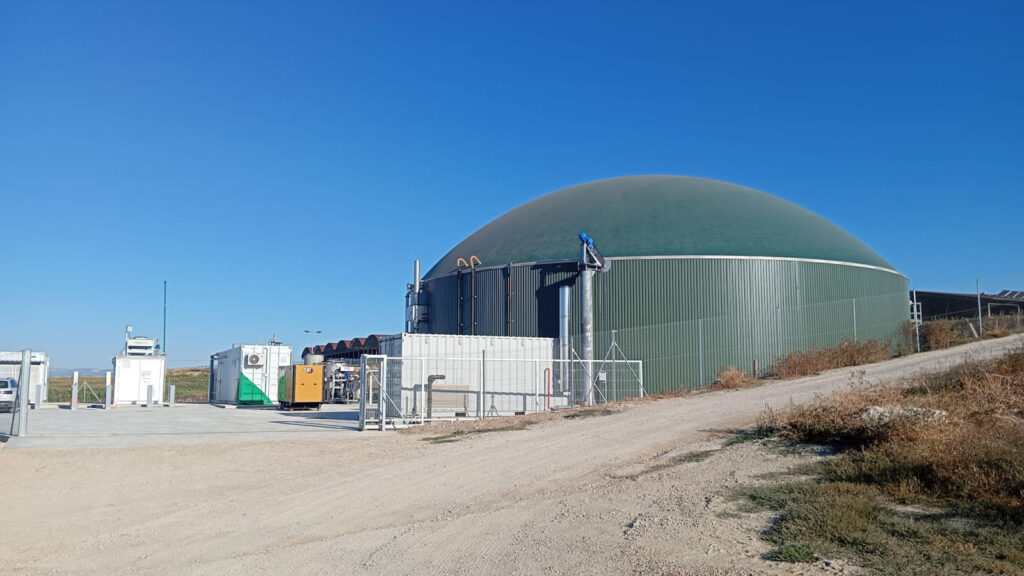
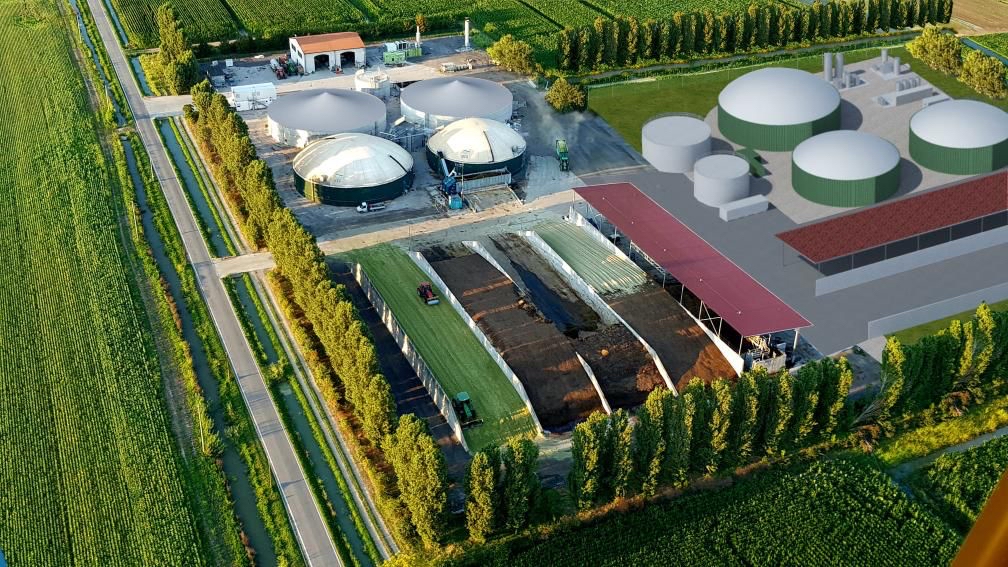
Supplying manure and slurry year-round as feedstock for anaerobic digestion (AD) offers a sustainable solution. AD plants take manure and slurry to produce biogas, which is upgraded to biomethane for direct grid injection or liquefied to create fuel for road or marine transport.
Agreeing a long-term contract with an AD facility means no need for slurry and manure storage, access to digestate and potential extra income from land sale or lease. Learn more about the wider benefits of anaerobic digestion.
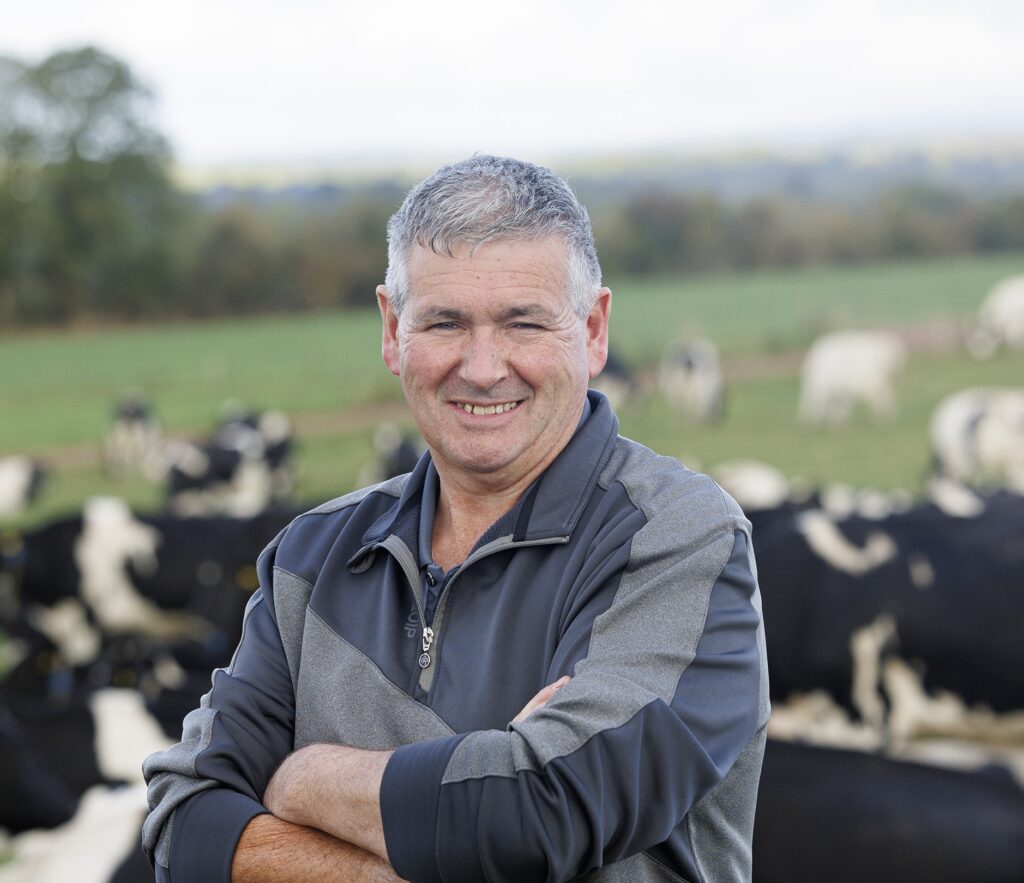
John Hanrahan, Irish farmer

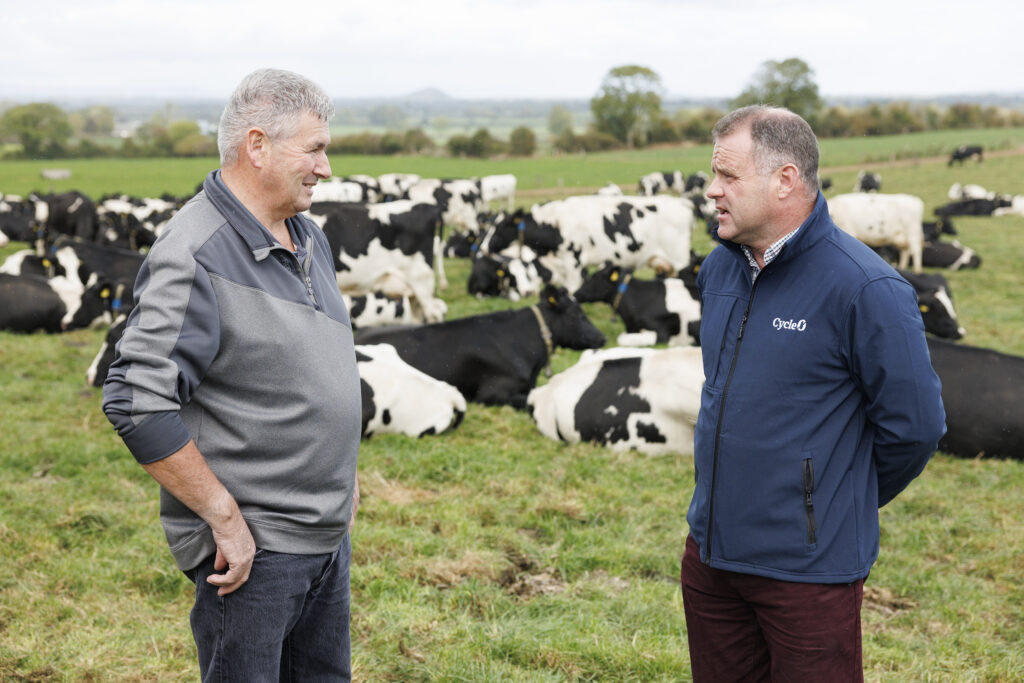
John Hanrahan, Limerick and James Manley, Country Manager Ireland Cycle0.
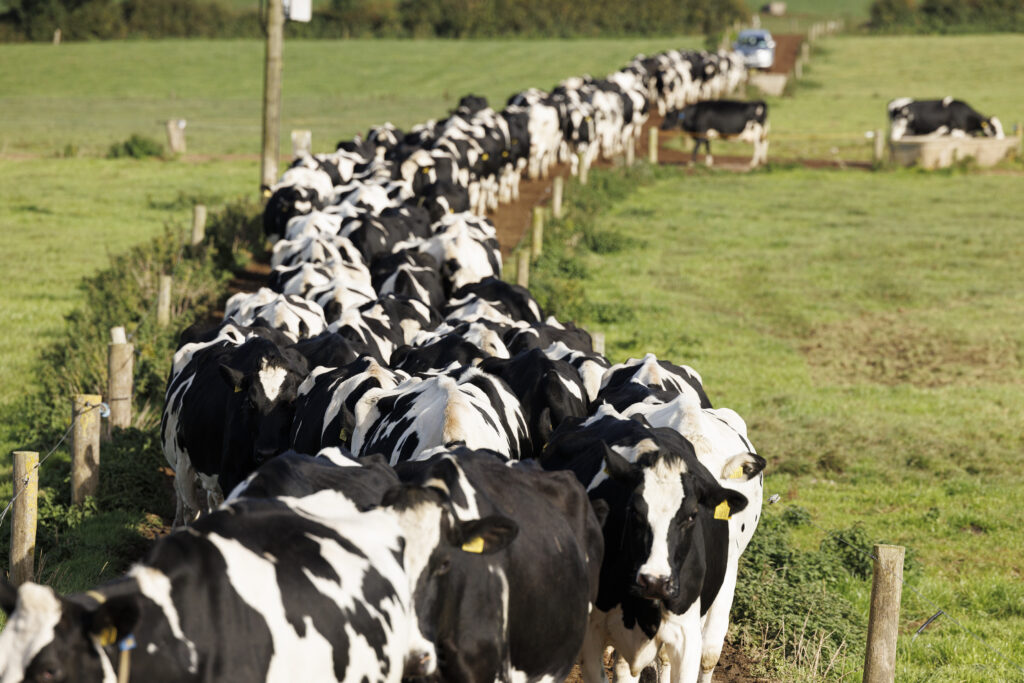
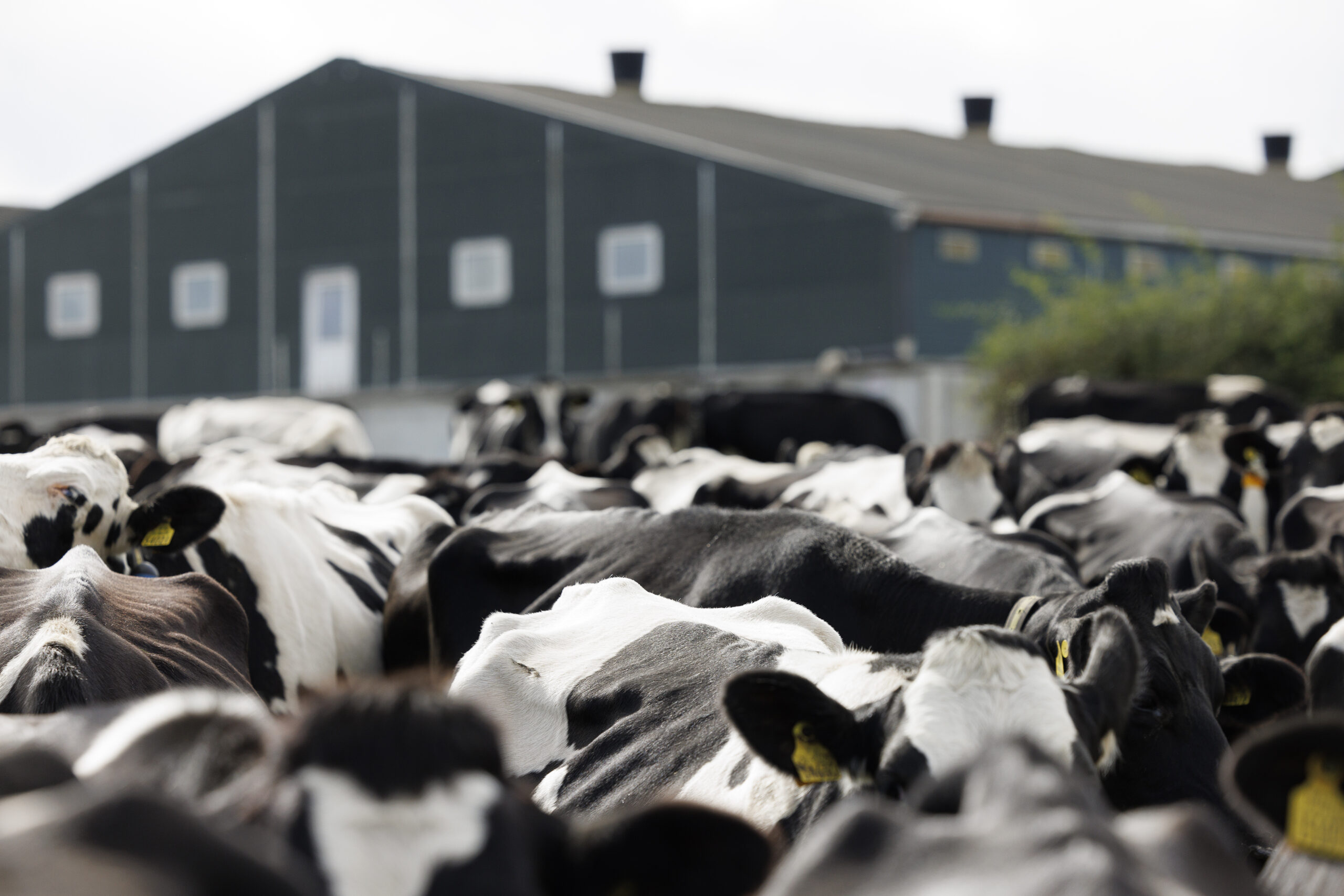
A line of cows returning for milking
Benefits of an AD plant partnership for farmers
With farmers under increasing pressure to balance finances, meet environmental legislation and be good neighbours, becoming a feedstock supplier or building a biogas plant offers a viable solution to all these challenges, one which Hanrahan Farm in Co. Limerick, Ireland decided to pursue.
Hanrahan Farms is a 400-cow dairy farm and pig production unit that has several sustainability solutions in place, including solar panels, protected urea, low emission slurry spreading and the growing of red and white clover.
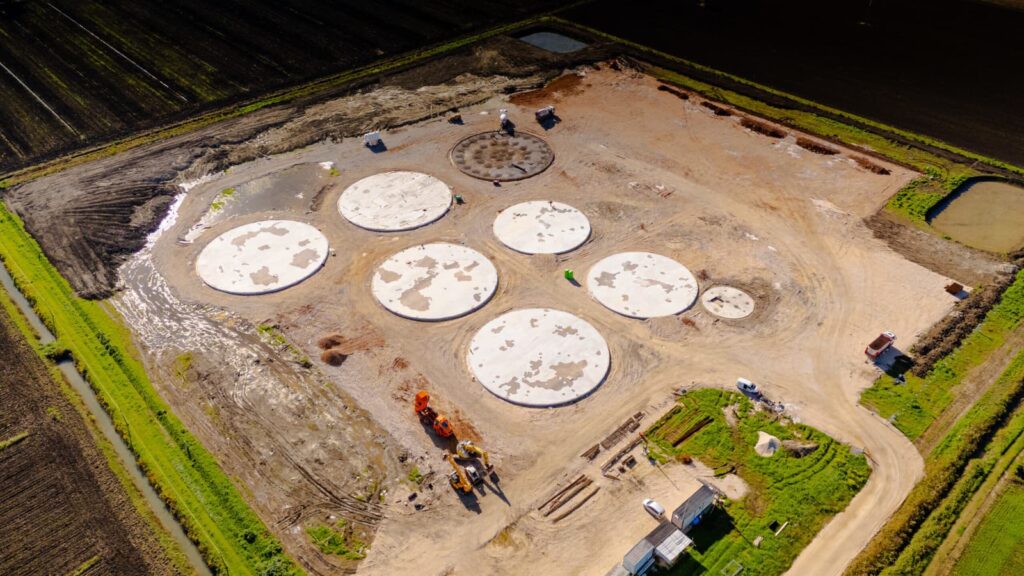
When Cycle0 and Hanrahan Farm agreed a partnership to build and supply around 90,000 tonnes of cow and pig manure and slurry to a biogas plant, the solution provided an obvious addition to the farm’s existing environmental system.
Capturing the naturally occurring methane from the manure and slurry and converting it into biomethane with an AD plant on the farm will save around 12,000 tonnes of CO2 emissions annually.
Hanrahan Farms and Cycle0 partnership overview
Why AD is a good solution for farmers and the environment
Supplying manure, slurry and crop waste to an AD plant to generate renewable natural gas is beneficial to farmers and the environment. This provides a solution to waste management concerns and environmental obligations and produces digestate, a nutrient-rich organic fertiliser.
For Hanrahan Farns, partnering with Cycle0 to provide all its slurry to an AD plant means turning what could be considered waste into a valuable resource.
The benefits that John Hanrahan expects to come from working with Cycle0 could be available to any farmer supplying an AD plant with feedstock.
Providing slurry and manure to an AD plant helps farmers to meet environmental obligations to store or spread slurry and reduces need for slurry storage or transportation.
Using digestate instead of inorganic fertilisers means the use of fewer chemical fertilisers which can cause leeching and run off and supports soil health with the spreading of this nutrient-rich fertiliser.
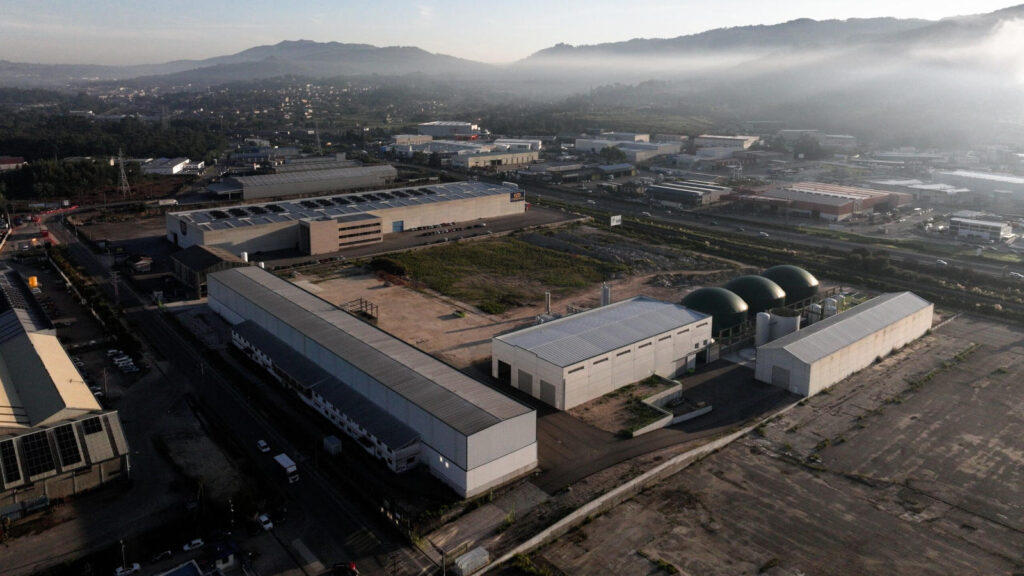
In addition, the development of AD plants to produce biogas and biomethane creates direct and indirect local jobs during the construction and operation phases of the plant. Read our anaerobic digestion FAQs for more insights.
 Slurry management
100%
Slurry management
90,000 tonnes per annum
Reduce need for storage or transportation
Avoided CO2 emissions
12,000 tonnes / annum
Capture naturally occurring CO2 emissions